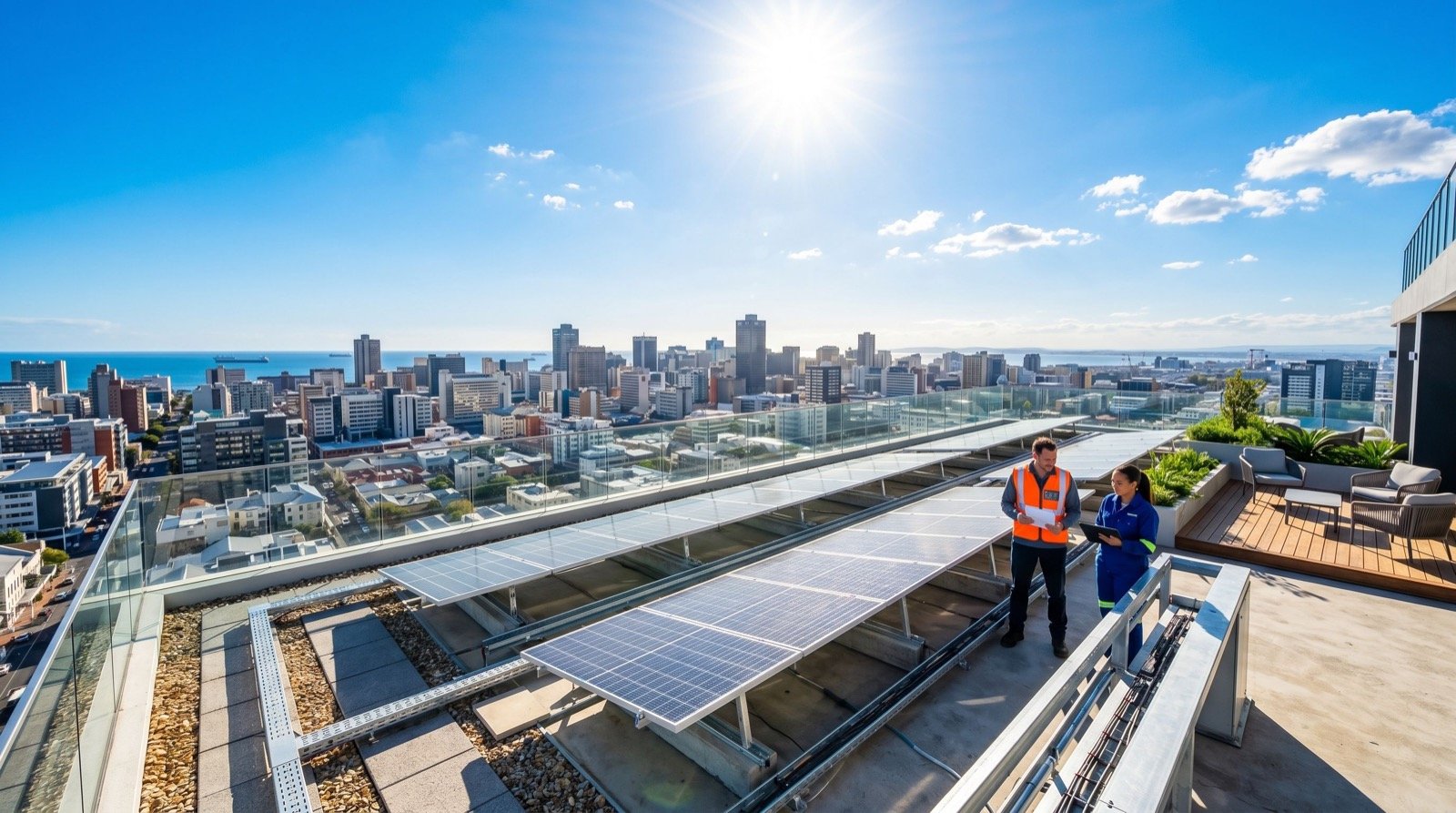
Best Solar Company in Pakistan: ROI and 2026 Storage Trends
Return on investment is the question every homeowner really wants answered before going solar. Partnering with the best solar company in Pakistan is how you turn a rooftop into a measurable financial asset rather than a hopeful experiment. In 2026, falling battery prices and smarter inverters have reshaped the payback math, and this guide explains exactly how.
We will walk through realistic ROI figures, the rise of affordable storage, and the trends shaping residential solar this year. The aim is to give you the numbers and context to invest with confidence.
Understanding Solar ROI in 2026
Solar ROI comes from the electricity you no longer buy plus the surplus you export under net metering. As grid tariffs climb, each self-generated unit is worth more, which shortens payback year after year. Most grid-tied residential systems now break even within four to six years and then deliver roughly two decades of near-free power.
Three levers drive your return: system size, local sunshine, and installation quality. A sharp design captures the costliest tariff slabs first, so the best solar company in Pakistan prioritizes offsetting your peak-rate consumption rather than simply maximizing raw capacity.
A simple way to estimate payback
Divide the total system cost by your expected annual bill savings to get a rough payback in years. A quality installer refines this with your actual consumption data and realistic production estimates. Bloomberg research and the global trend both show battery costs falling sharply, a shift documented by the International Renewable Energy Agency.
Why Storage Is the Big 2026 Trend
For years batteries were too expensive to justify on pure economics. That calculation is changing fast as lithium iron phosphate prices drop and cycle life improves. In 2026, many households add a modest battery to ride through load-shedding while still relying on net metering for everyday savings.
Storage adds resilience, not just savings, which matters in cities where outages disrupt work and comfort. Homeowners in the twin cities increasingly ask their solar company in Rawalpindi for hybrid systems that are battery-ready from day one, even if they add cells later.
Right-sizing a battery
You rarely need to back up the whole house. Size the battery for essential loads such as lights, fans, internet, and a refrigerator, and the cost stays reasonable. Oversizing wastes money, so a good installer calculates your critical load before quoting storage.
What Separates the Best Solar Company in Pakistan?
Top installers compete on engineering and service, not just price. They model your consumption, design for your roof and climate, and stand behind the work for decades. Choosing well is the difference between a smooth asset and a recurring frustration.
- Transparent, itemized quotes with every component named.
- Tier-one panels and inverters with written long-term warranties.
- In-house engineering rather than subcontracted guesswork.
- Proven net-metering handling and responsive after-sales support.
- Monitoring so you can verify production against the promise.
Because a solar system is a twenty-five-year commitment, it pays to work with trusted professionals who document their work and remain reachable long after commissioning. If you want a single accountable partner nationwide, the Best solar company in pakistan will combine competitive pricing with consistent service across every city you own property in.
Cost Versus Value: A 2026 Snapshot
The table below compares common system approaches so you can weigh upfront cost against long-term value.
| Setup | Upfront Cost | Backup Power | Best For |
|---|---|---|---|
| Grid-tied only | Lowest | None | Max savings, stable grid areas |
| Hybrid, small battery | Medium | Essentials | Load-shedding resilience |
| Hybrid, large battery | Highest | Most loads | Frequent or long outages |
For most households, a grid-tied or battery-ready hybrid system delivers the best balance of ROI and resilience in 2026. You capture strong savings now and keep the option to expand storage as prices keep falling.
Trends Shaping Residential Solar in 2026
Beyond cheaper batteries, several trends are reshaping what a home system can do this year. Smart hybrid inverters now manage panels, storage, and grid export intelligently, shifting consumption to the cheapest hours automatically. This software layer squeezes extra value from the same hardware.
Higher-efficiency N-type panels are becoming the default, packing more watts onto the same roof area. For homes with limited space, that density means a larger system and a better return without needing extra mounting. Bifacial panels on reflective or ground-mounted setups push yields even higher.
Electric vehicles are the next big driver. Families planning an EV purchase increasingly size their solar system to cover charging, effectively fueling the car from the roof. A forward-looking installer designs for that future load today, so you avoid a costly redesign later.
One insight that protects your ROI
The cheapest quote rarely delivers the best return. A system that underproduces by even ten percent, because of thin cabling, a weak inverter, or poor orientation, quietly erodes years of savings. Spending a little more on engineering and tier-one components almost always pays for itself through higher lifetime output.
How Soon Will Solar Pay for Itself?
With net metering and rising tariffs, a well-sized grid-tied system typically pays back in four to six years. Adding a battery lengthens payback slightly because storage is about resilience rather than pure savings. After break-even, your panels keep producing for another fifteen to twenty years, which is where the real wealth-building happens.
The key variable is installation quality. A poorly built system underproduces and erodes your return, so the installer you choose directly shapes your ROI.
Frequently Asked Questions
Is solar still worth it if I add a battery?
Yes. The battery extends payback a little but adds valuable backup power. Many owners install a battery-ready hybrid system now and add cells as prices continue to fall.
How much can I save each month?
Savings depend on your consumption and system size, but many homeowners offset the majority of their bill. An itemized proposal based on your actual usage gives the most accurate estimate.
Do panels lose efficiency over time?
Yes, but slowly. Quality panels typically degrade well under one percent per year, so they still produce around eighty-five percent of their original output after twenty-five years.
What warranty should I expect in 2026?
Look for a product warranty of at least ten to fifteen years, a performance warranty of twenty-five years on panels, and a solid inverter warranty with local service support.
Final Thoughts and Next Steps
Solar in 2026 is a proven financial asset, and storage has turned it into a resilience upgrade too. The best solar company in Pakistan will model your ROI honestly, design for your roof and climate, and support the system for its full life. That combination protects both your savings and your peace of mind.
Take the next step today: request an itemized proposal with a clear payback estimate, compare it against the quality checklist above, and choose a partner with a verifiable track record. Your investment can start paying you back within the first few years and keep paying for decades.